Utilizing Premier Success
Understanding the Role of a Commercial General Contractor in Delivering Quality Building Projects
A commercial general contractor is vital in the construction industry. They confirm projects adhere to schedules and budgetary constraints. Their role involves coordinating multiple stakeholders and managing complex schedules. This integration discover now is fundamental for maintaining quality and safety standards. Understanding their responsibilities demonstrates their effect on final project success. What precise approaches do they utilize to manage hurdles and provide successful deliveries?
The Importance of a Commercial General Contractor
Although some may underestimate their role, a commercial general contractor is indispensable for successful building work. Functioning as the central point of contact, these professionals guarantee that various aspects of construction are seamlessly integrated. Their expertise encompasses not only project management but also effective communication between stakeholders, including clients, subcontractors, and suppliers. By managing budgets, timelines, and resource distribution, they minimize hazards and simplify work processes.
Additionally, commercial general contractors navigate complex regulatory environments, ensuring adherence to local safety standards and building codes. Their experience in problem-solving and conflict resolution is invaluable, particularly when surprising obstacles appear during the project. Ultimately, a skilled commercial general contractor encourages cooperation, increases effectiveness, and adds to the total quality of the build. Their pivotal role lays the groundwork for successful outcomes, making them necessary for all building projects, regardless of size or intricacy.
Key Responsibilities of a Commercial General Contractor
While overseeing a construction project, a commercial general contractor assumes a multitude of key responsibilities that are vital for project achievement. Primarily, they manage project schedules, making certain schedules are followed and that the project progresses as planned. They also manage the finances, controlling costs and guaranteeing that financial resources are effectively allocated.
Moreover, the contractor is responsible for recruiting and coordinating sub-trades, choosing skilled experts for niche assignments such as electrical and plumbing installations. They guarantee compliance with local building codes and safety regulations, reducing hazards associated with site work.
Additionally, a commercial general contractor is tasked with obtaining required permits and licenses to enable the building process. They conduct regular site inspections to track quality and project advancement, resolving problems that arise quickly. In essence, their function is to ensure that the outcome satisfies requirements, meets the deadline, and is completed under the allocated funds.
The Role of Coordination and Communication in Construction
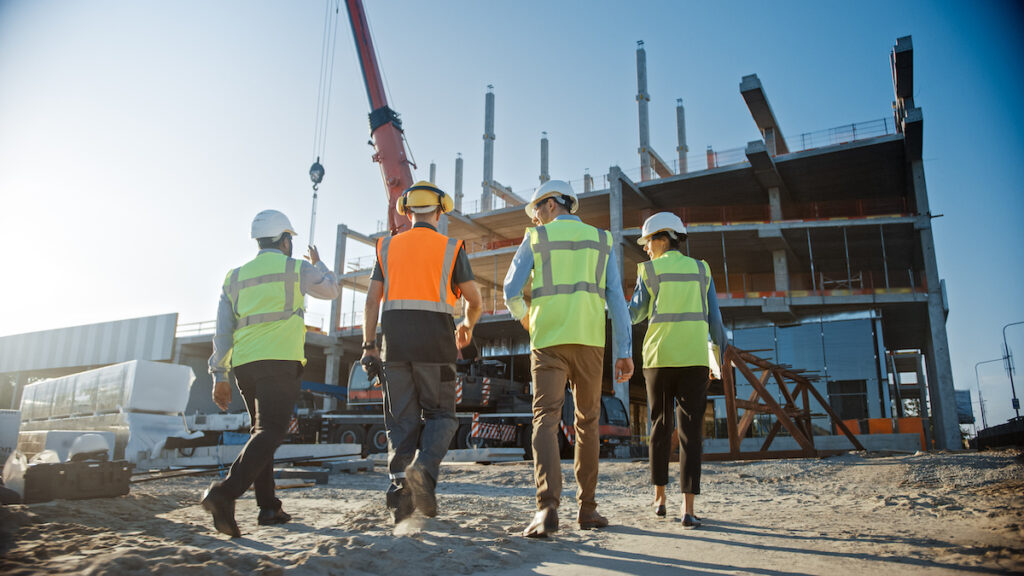
Successful coordination and communication are vital components in the successful completion of building projects, as they guarantee that all stakeholders are aligned with the project's objectives and schedules. The general contractor is central in making this happen by setting up defined communication channels among clients, architects, suppliers, and subcontractors. The contractor ensures that information regarding project progress, changes, and potential issues are communicated promptly and effectively.
Regular meetings and status reports are integral to this management effort, allowing for the timely resolution of conflicts and the modification of timelines when required. The contractor's ability to foster collaboration among various groups enhances overall project efficiency and lessens miscommunications. In addition, the use of project management tools and technologies can streamline communication, guaranteeing everyone can view to the up-to-date information. In the end, good coordination and clear communication result in better project results and client contentment in the construction industry.
Budget Management and Financial Oversight
Financial oversight and budget control are vital to the successful execution of construction projects, making certain resources are used effectively and costs are controlled. A commercial general contractor is key in this process by developing detailed budgets based on client expectations and the project's scope. They monitor expenditures throughout the duration of the project, spotting deviations and performing needed modifications to prevent cost overruns.
The contractor works closely with suppliers and subcontractors to finalize agreements, guaranteeing fair pricing while preserving high quality. Frequent financial updates and forecasts permit stakeholders to be kept up-to-date and take prompt action. By implementing stringent financial controls, the contractor reduces potential issues associated with unforeseen expenses, maintaining the project's financial health. In the end, sound financial control and budget administration not only enhance project viability but also foster trust between clients and contractors, ensuring projects are completed successfully.
Ensuring Safety and Quality Standards
A comprehensive strategy for guaranteeing safety and quality is vital in the building sector, where the stakes are high and errors can be costly. Commercial general contractors play a pivotal role in establishing strict safety guidelines and quality assurance measures throughout the project lifecycle. They are responsible for adhering to industry standards, local codes, and best practices, which reduces potential hazards and improves the reliability of the project.
For this purpose, contractors often carry out routine site checks, monitor compliance with safety guidelines, and offer continuous employee education. They also engage qualified subcontractors and suppliers who prioritize quality results, making sure the work and materials meet required specifications. By fostering a culture of safety and quality, commercial general contractors safeguard their employees but also increase the permanence and strength of their structures, resulting in successful projects and happy customers.
Commonly Asked Questions
What Qualifications Should I Look for in a General Contractor?
When selecting a general contractor, one should consider their experience, references, licenses, portfolio, and insurance coverage - Hickory top rated Commercial General Contractor. Furthermore, strong communication abilities and a history of successfully handling schedules and costs are crucial for achieving project success
How Should I Go About Picking the Right Contractor for My Project?
In order to choose the best contractor, one should evaluate their experience, verify past clients, review past projects, validate insurance and licensing, and guarantee clear communication. A thorough interview process can help determine compatibility with project goals.
What Difficulties Do Commercial General Contractors Often Encounter?
Commercial general contractors often face challenges such as budget constraints, scheduling conflicts, labor shortages, regulatory compliance, and managing subcontractors. Such problems may affect project quality, costs, and schedules if not effectively addressed throughout the process.
What is the Contractors' Approach to Unforeseen Problems During Building?
Contractors address unexpected issues during construction by determining the situation fast, creating backup strategies, and communicating with stakeholders. Hickory top rated Commercial General Contractor. They often rely on their collective experience and cooperation to implement solutions, guaranteeing minimal interference to the project's timeline and budget
What Is the Standard Timeline for a Commercial Building Project?

The usual duration for a business construction job ranges from a few months up to several years, based on factors such as project scope, complexity, the permitting process, and the materials and labor being available.